How to Make Perfect Fluffy Pancakes from Scratch
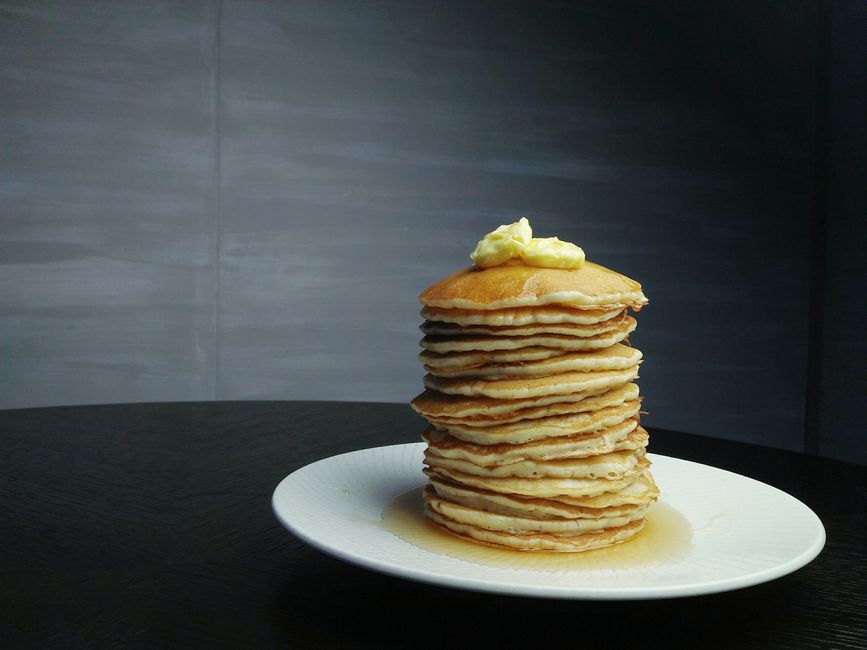
Many home cooks set out to make pancakes with a soft, airy interior and evenly browned edges. The process involves more than simply combining ingredients; it requires an understanding of how flour, leavening agents, and mixing techniques interact. The goal is a batter that rises gently in the pan and produces a tender crumb without becoming dense or rubbery.
This article explores the methodology behind light pancakes, focusing on ingredient selection, batter preparation, and cooking approach. The information presented here is based on common culinary principles and observations from kitchen practice. Outcomes may vary depending on factors such as ingredient freshness, equipment, and environmental conditions.
By examining each stage of the process, readers can develop a clearer understanding of how different choices influence the final texture and appearance. The following sections break down the key considerations for making pancakes from scratch using basic pantry items.
Understanding the Science of Fluffiness
The airy structure of a pancake depends largely on the formation and expansion of gas bubbles within the batter. Leavening agents such as baking powder or baking soda produce carbon dioxide when activated by moisture and heat. Simultaneously, mechanical mixing introduces small air pockets that contribute to the overall volume. The balance between these factors determines whether the pancake rises sufficiently or collapses during cooking.
Gluten development also plays a role. When flour is mixed with liquid, proteins form gluten strands that give the batter its elasticity. Overworking the batter develops excessive gluten, which can lead to a chewy, dense texture. For lighter pancakes, minimal mixing is often recommended to keep gluten formation to a minimum. Resting the batter after mixing allows the starch to absorb moisture and relaxes any gluten that has formed.
Temperature control during cooking affects how quickly the leavening agents react. A preheated pan at the right temperature encourages rapid gas expansion, creating lift before the exterior sets. If the pan is too hot, the outside may brown before the interior has time to rise, resulting in uneven texture. If it is too cool, the batter may spread slowly and produce flat, heavy pancakes.
Selecting the Right Ingredients
Flour type influences protein content and therefore gluten potential. All-purpose flour typically provides a moderate protein level that works well for pancakes. Using pastry flour or cake flour, which have lower protein, may yield a more tender crumb, while bread flour with higher protein can result in a firmer texture. The choice depends on personal preference and the desired outcome.
Liquid ingredients such as milk, buttermilk, or non-dairy alternatives affect both flavor and acidity. Buttermilk, for instance, reacts with baking soda to produce additional carbon dioxide, which can enhance lift. The acidity also tenderizes gluten, potentially contributing to a softer texture. Whole milk adds richness, while lower-fat options may produce a slightly less tender result. Eggs provide structure and moisture; separating the yolk from the white and whipping the white separately can incorporate more air into the batter.
Leavening agents require careful measurement. Baking powder is a complete leavening system that reacts twice — once when wet and once when heated. Baking soda needs an acidic ingredient to activate. Using too much leavening can cause the pancake to rise too quickly and then deflate, while too little may result in insufficient lift. Freshness of these ingredients matters, as expired leavening loses potency.
Mixing the Batter with Care
The mixing method affects both texture and consistency. A common approach is to combine dry ingredients in one bowl and wet ingredients in another, then gently fold them together until just incorporated. Lumps are acceptable, as overmixing is a more common error than undermixing. The batter should be thick but pourable; if it appears too stiff, a small amount of additional liquid can be added.
Resting the batter for 10 to 15 minutes after mixing allows the flour to fully hydrate and the gluten to relax. During this time, the bubbles formed by the leavening become more stable. The batter may thicken slightly as the starches absorb moisture. This resting period is not mandatory, but it can contribute to a more even crumb structure. Using a whisk or a spatula with wide tines, such as those from Kitchen Craft, can help incorporate air without developing excessive gluten.
If a lighter texture is desired, the egg whites can be separated and beaten to soft peaks before folding into the batter. This technique introduces additional air and produces a foam that helps the pancake rise. However, it adds extra steps and may not be necessary for all recipes.
Cooking Techniques for Golden Edges
The choice of cookware and heat source influences browning and evenness. A heavy-bottomed skillet or griddle distributes heat more uniformly than a thin pan. Preheating the pan over medium heat for several minutes ensures that the surface reaches a consistent temperature. A small test drop of batter can indicate readiness: if it sizzles gently and begins to set around the edges, the heat is appropriate.
Fat in the pan affects browning and flavor. Butter adds taste but can burn at higher temperatures. Clarified butter or a neutral oil with a higher smoke point may be used to prevent scorching. Some cooks prefer to use a combination, or to wipe the pan with a thin layer of oil before each batch. The amount of fat influences how the edges brown; too little may cause sticking, while too much can lead to greasy pancakes.
Timing the flip is a matter of observation. When bubbles appear on the surface and the edges look dry, the pancake is ready to turn. The first side typically takes slightly longer than the second. Flipping too early may cause the batter to spread unevenly, while waiting too long can lead to overbrowning. The second side usually cooks in about half the time of the first. Adjusting heat between batches helps maintain consistent results as the pan retains heat.
Troubleshooting Common Issues
Dense or heavy pancakes often result from overmixing the batter, expired leavening, or insufficient resting time. Checking the freshness of baking powder by adding a small amount to warm water can confirm its activity. If the batter has been stirred too vigorously, the gluten structure may become too tight, limiting rise. Letting the batter rest for a few minutes before cooking can sometimes improve texture.
Uneven browning may be due to hot spots in the pan or inconsistent heat distribution. Using a pan with a thick, flat bottom and rotating the pancakes midway through cooking can help. If the first batch browns too quickly on the outside while remaining raw inside, lowering the heat slightly and extending the cooking time may produce more uniform results. Pancakes that stick to the pan may indicate insufficient fat or a pan that is not properly seasoned.
Pancakes that are gummy or rubbery inside often relate to undercooking or excessive flour in the batter. Ensuring that the batter is not too thick and that the internal temperature reaches a point where the starch has fully cooked can address this. Testing with a thin spatula to check the center for doneness before removing from the pan is a practical method.