Quick and Healthy Lunch Bowl with Grilled Chicken and Quinoa
Lunch bowls have become a practical choice for those seeking a balanced meal that can be prepared in a relatively short amount of time. By combining a grain, a protein, and an assortment of vegetables, these bowls offer flexibility in both ingredients and flavors. The process of assembling such a bowl often begins with selecting components that complement each other in texture and taste, while also allowing for personal preferences or seasonal availability.
This particular approach focuses on using grilled chicken, quinoa, fresh vegetables, and a tangy dressing. The goal is to describe a method that can be followed step by step, with attention to timing and technique. While the total time may vary depending on individual kitchen setups and ingredient preparation, the framework outlined here is designed to fit within approximately thirty minutes of active work. The emphasis is on transparency in the process rather than promising a specific outcome.
Understanding how each element interacts with the others can help in making informed choices about quantities, cooking methods, and seasoning. The following sections break down the preparation of quinoa, chicken, vegetables, and dressing separately, before discussing how they can be brought together into a cohesive bowl.
Understanding the Components
A lunch bowl typically consists of a base, a main protein, vegetables, and a dressing or sauce. In this context, the base is quinoa, a grain that cooks relatively quickly and has a mild, nutty flavor. The protein is grilled chicken breast, which can be seasoned in various ways. Vegetables may be chosen based on color, crunch, and nutritional content. Common options include cherry tomatoes, cucumbers, bell peppers, red onion, and leafy greens. The dressing is a tangy vinaigrette that ties the components together.
Portion sizes can be adjusted according to individual needs. The chicken can be marinated or simply seasoned before grilling. Vegetables may be left raw, lightly roasted, or pickled for added acidity. The dressing can be prepared in advance and stored. The key is to have all elements ready before assembly, which allows for a smooth workflow.
Equipment such as a grill pan or outdoor grill, a saucepan for the quinoa, and a cutting board are typically sufficient. Kitchen Craft offers a range of kitchen tools that might be useful for such tasks, though the method described does not require any specific brand. The focus remains on the techniques involved rather than the tools themselves.
Preparing the Quinoa
Quinoa requires rinsing before cooking to remove its natural coating, which can impart a bitter taste. One method is to place the quinoa in a fine-mesh strainer and rinse under cool water for about thirty seconds. After rinsing, the quinoa is combined with water or broth in a saucepan. A common ratio is one part quinoa to two parts liquid. For a single serving, half a cup of dry quinoa with one cup of water yields approximately one and a half cups of cooked quinoa.
The saucepan is brought to a boil over medium-high heat. Once boiling, the heat is reduced to low, and the pot is covered. Cooking time is typically around fifteen minutes, but this may vary depending on the quantity and the specific type of quinoa. After the liquid has been absorbed, the pot is removed from the heat and allowed to sit, covered, for five minutes. Fluffing the quinoa with a fork helps separate the grains.
Seasoning can be added at this stage. A pinch of salt, a drizzle of olive oil, or a squeeze of lemon juice are simple additions. The quinoa can be kept warm while the chicken and vegetables are prepared. If making the bowl in advance, the quinoa can be cooled and stored separately.
Grilling the Chicken
Chicken breasts can be prepared in several ways before grilling. One approach is to pound the chicken to an even thickness, which promotes more uniform cooking. Seasoning options include salt, pepper, garlic powder, paprika, and dried herbs. A light coating of oil helps prevent sticking and aids in browning.
A grill pan or outdoor grill should be preheated over medium-high heat. The chicken is placed on the hot surface and cooked for about five to seven minutes per side, depending on thickness. The internal temperature should reach 165 degrees Fahrenheit as measured by a food thermometer. After cooking, the chicken is allowed to rest for a few minutes before slicing. Resting helps retain moisture and makes slicing easier.
The slices can be cut against the grain into strips or cubes. The cooking time is influenced by factors such as the starting temperature of the chicken and the heat output of the grill. Adjustments may be necessary to achieve the desired doneness. Overcooking can lead to dryness, so monitoring the process is important.
Choosing and Preparing Vegetables
The vegetable selection can be tailored to what is available or preferred. Cherry tomatoes can be halved, cucumbers can be diced, bell peppers can be sliced, and red onion can be thinly sliced. Leafy greens such as spinach or arugula add freshness and volume. For added texture and flavor, vegetables can be lightly charred in the same grill pan used for the chicken, or simply used raw.
When using raw vegetables, washing and drying them thoroughly is a standard step. Cutting them into uniform pieces helps with even distribution in the bowl. The amount of each vegetable can vary. Some may prefer a higher proportion of greens, while others might focus on crunchy vegetables. The dressing can be applied directly to the vegetables or drizzled over the entire bowl.
If roasted or grilled vegetables are desired, they can be prepared while the chicken rests. Tossing them with a small amount of oil and salt before cooking on the grill pan for a few minutes brings out their natural sweetness. The timing should be managed so that the vegetables are not overdone.
Making the Dressing and Assembling the Bowl
A tangy dressing often includes an acid, such as lemon juice or vinegar, combined with oil and seasonings. A simple vinaigrette can be made by whisking together two parts oil to one part acid, along with a pinch of salt, pepper, and an optional sweetener such as honey or maple syrup. Mustard or minced shallot can be added for complexity. The dressing can be prepared in a small jar and shaken to emulsify.
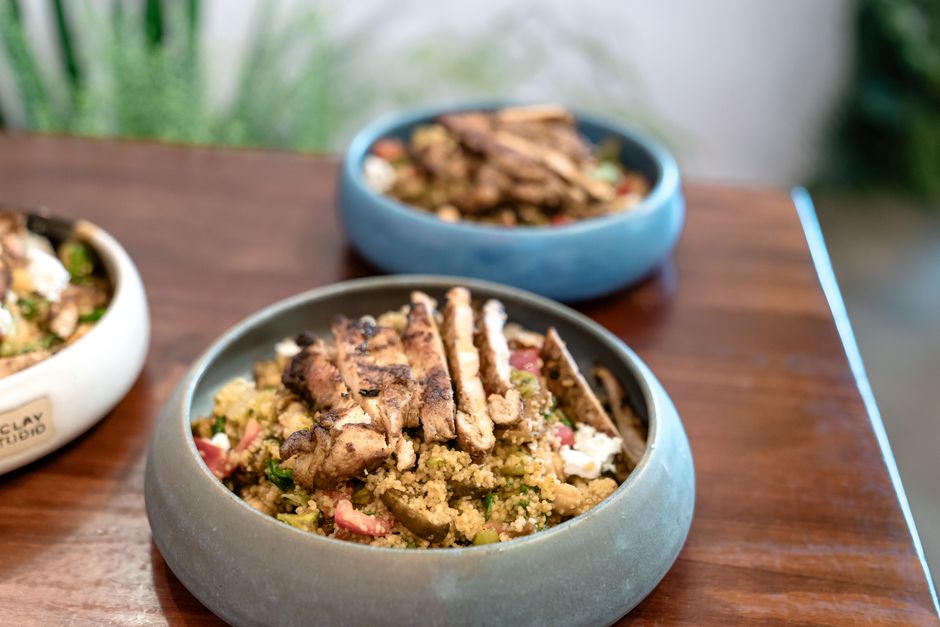
To assemble the bowl, the cooked quinoa is placed at the bottom or on one side. The sliced chicken is arranged on top of or next to the quinoa. The vegetables are then added in separate clusters or mixed together. The dressing is drizzled over the bowl just before serving. Additional toppings such as toasted seeds, crumbled cheese, or fresh herbs can be added if desired.
The order of assembly does not affect the flavor but may influence presentation. The bowl can be served warm, at room temperature, or cold. Leftovers can be stored separately to prevent the vegetables from becoming soggy. The dressing should be added only when ready to eat. This approach allows for flexibility in meal planning and can be adapted to different dietary preferences.