A one-pot creamy tomato basil soup is a practical option for busy weeknights when time and cleanup are both limited. By using canned tomatoes as a base, the cooking process becomes more predictable and less dependent on seasonal availability. The method relies on a single vessel for all steps, from sautéing aromatics to simmering and finishing with cream and fresh herbs. This approach reduces both the number of dishes and the overall cooking time, making it a convenient choice for those seeking a warm, comforting meal without extensive effort.
The soup can be adapted to different dietary preferences and ingredient availability, which adds to its versatility. Whether prepared as a quick lunch or a light dinner, it pairs naturally with crusty bread or a simple salad. The following sections explore the key components and techniques involved in creating a balanced, flavorful soup using a single pot. Each step focuses on practical considerations rather than rigid instructions, allowing for adjustments based on personal taste and available ingredients.
Understanding the role of each ingredient and cooking phase helps in achieving a consistent result. The process described here emphasizes transparency and methodology, so cooks can feel confident about making informed choices as they proceed.
Selecting the Right Ingredients
The foundation of any tomato soup lies in the quality and type of tomatoes used. Canned tomatoes are a reliable choice because they are harvested at peak ripeness and processed quickly, preserving their natural sweetness and acidity. Whole peeled tomatoes, crushed tomatoes, or diced tomatoes each contribute a different texture to the final soup. Whole peeled tomatoes, when crushed by hand or blended, tend to yield a chunkier consistency, while crushed tomatoes create a smoother base with less effort. San Marzano tomatoes, a specific variety, are often chosen for their lower acidity and fuller flavor, though other brands can work equally well depending on personal preference.
The aromatic vegetables—onion and garlic—form the savory backbone of the soup. Yellow or sweet onions offer a mild sweetness that balances the tomatoes’ acidity, while garlic adds depth. Fresh basil is the herb most commonly associated with this soup, but dried basil can be used in smaller quantities if fresh is unavailable. The choice between heavy cream, half-and-half, or a non-dairy alternative affects both richness and mouthfeel. Heavy cream provides a luscious texture, while half-and-half results in a lighter soup. For a dairy-free version, full-fat coconut milk or cashew cream can be substituted, though they will introduce their own flavor notes.
Other optional ingredients might include a small amount of sugar to counteract acidity, a splash of balsamic vinegar for complexity, or red pepper flakes for heat. Each addition modifies the final profile in a specific way, so it is useful to taste and adjust gradually. Broth or water can be used to thin the soup to the desired consistency, depending on how thick the canned tomatoes are. The selection of ingredients ultimately depends on what is available in the pantry and the flavor profile one wishes to achieve.
The One-Pot Cooking Process
Starting with a heavy-bottomed pot or Dutch oven helps distribute heat evenly and prevents scorching. The pot is heated over medium heat, and a small amount of olive oil or butter is added to sauté the aromatics. Finely diced onion is cooked until translucent, which usually takes five to seven minutes. Minced garlic is added later to avoid burning, as it cooks more quickly. The aroma released during this step signals the development of the soup’s base flavor.
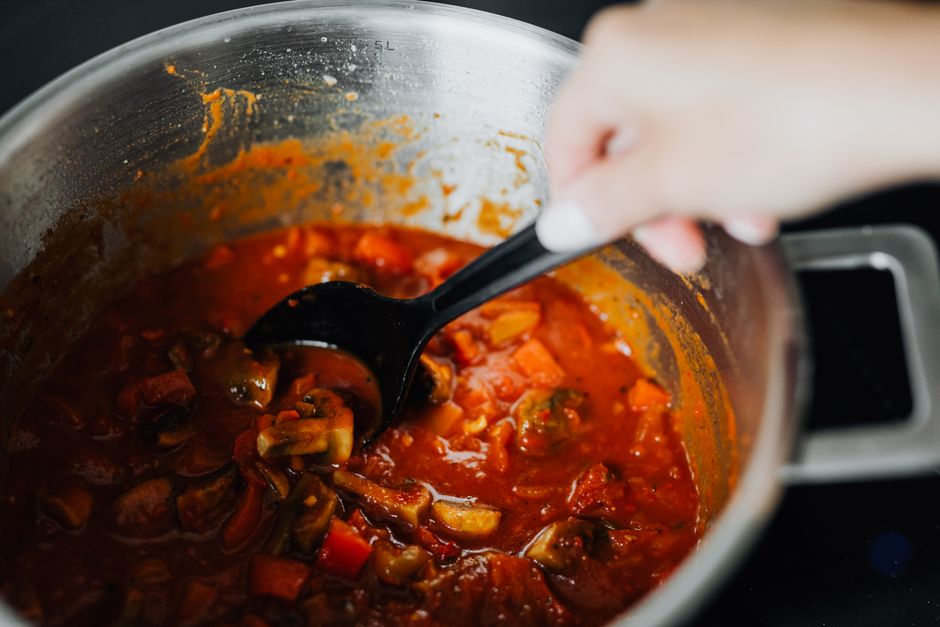
Once the aromatics are softened, the canned tomatoes—along with their juices—are added to the pot. If using whole peeled tomatoes, it is helpful to break them apart with a wooden spoon or potato masher. The mixture is brought to a gentle simmer and allowed to cook for fifteen to twenty minutes. During this time, the flavors meld, and the tomatoes break down further. The liquid reduces slightly, concentrating the taste. A small amount of salt and black pepper can be added early, but final seasoning is best adjusted at the end.
After the simmering phase, the soup is puréed directly in the pot using an immersion blender. This step is where the one-pot method truly shines, as it eliminates the need to transfer hot liquid to a blender. Blending until smooth yields a uniform texture, though some may prefer a slightly chunky consistency by blending only partially. For those without an immersion blender, a regular blender can be used in batches, but caution is required when handling hot liquids. Once blended, the heat is reduced to low, and the cream is stirred in gently. Fresh basil leaves, torn or chiffonaded, are added just before serving to preserve their bright flavor. The soup is then heated through without boiling, as high heat can cause the cream to separate.
Serving and Pairing Ideas
Crusty bread is a classic accompaniment to creamy tomato basil soup, offering a textural contrast and a vehicle for soaking up every last bit. A baguette, sourdough loaf, or ciabatta can be sliced and toasted with a drizzle of olive oil or a rub of garlic. For a more substantial meal, the soup can be served alongside a grilled cheese sandwich or a simple green salad with a vinaigrette that complements the soup’s acidity.
Garnishes allow for customization and visual appeal. A swirl of extra cream or a dollop of crème fraîche adds richness, while freshly grated Parmesan cheese contributes saltiness and umami. Croutons, either homemade or store-bought, provide crunch. A few whole basil leaves placed on top reinforce the herbal notes. The soup can be served in wide bowls or mugs, depending on whether it is intended as an appetizer or a main course.
The temperature at which the soup is served also matters. Serving it piping hot is typical, but some might enjoy it at room temperature during warmer months. The one-pot method makes it easy to reheat any leftovers, though the soup should be stirred occasionally to maintain a smooth consistency.
Adaptations and Variations
This soup can be modified to accommodate dietary restrictions or to introduce new flavors. For a vegan version, olive oil replaces butter, and full-fat coconut milk or blended cashews replace heavy cream. Vegetable broth or water is used instead of chicken broth. The coconut milk adds a subtle sweetness and tropical note that can be balanced with extra basil or a squeeze of lemon juice.
Adding protein can turn the soup into a more complete meal. Cooked cannellini beans or chickpeas can be stirred in after blending for added fiber and texture. Shredded cooked chicken or Italian sausage might be included for those who prefer meat. In such cases, the soup may require a slightly longer simmer to heat the additions through. A pinch of red pepper flakes or a drizzle of chili oil can introduce mild heat without overwhelming the tomato and basil flavors.
The choice of herbs can also vary. Oregano, thyme, or a bay leaf can be added during the simmering stage and removed before blending. A small amount of carrot or celery can be sautéed with the onion for added sweetness and complexity. Each variation changes the final character of the soup, making it a flexible recipe that can be adjusted based on what is on hand or what flavors are desired.
Storage and Make-Ahead Considerations
Preparing the soup in advance can be a practical time-saver for busy weeks. Once the soup has cooled to room temperature, it can be transferred to airtight containers and stored in the refrigerator for up to four days. The flavors often deepen after a day, which can be an advantage for make-ahead planning. When reheating, a gentle simmer is recommended to avoid any separation of the cream. Adding a splash of broth or water can restore the original consistency if the soup thickens during refrigeration.
For longer storage, the soup can be frozen. It is best to leave out any fresh basil and garnish until after thawing and reheating, as the basil can discolor and lose its flavor. The soup should be cooled completely before freezing, and containers should be filled leaving some headspace for expansion. When ready to use, the soup can be thawed overnight in the refrigerator and reheated on the stovetop or in a microwave. The texture may change slightly after freezing due to the cream content, but stirring vigorously during reheating often helps restore smoothness.
Food safety considerations are important when handling cooked soups. Rapid cooling—such as placing the pot in an ice bath—can help bring the temperature down quickly before refrigeration. These steps are not guarantees of safety, but they do reduce the risk of bacterial growth when followed carefully. The soup should be consumed within the recommended storage times for best quality.